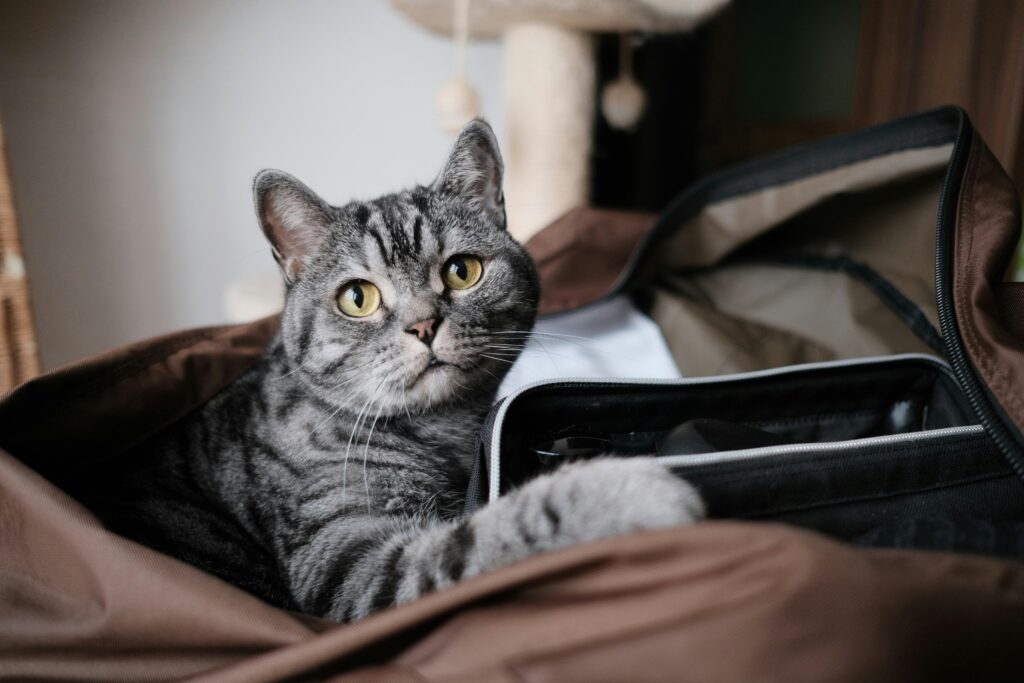
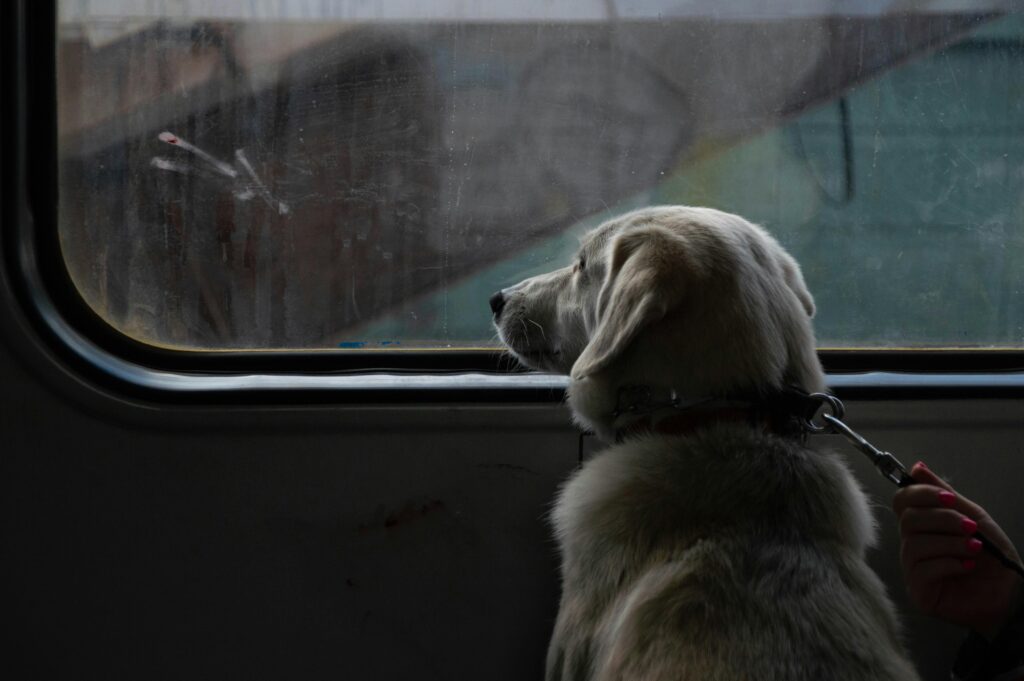
India is an incredible country to explore with pets, from hill station getaways to beach holidays and long road trips across states. But travelling with pets in India comes with its own set of practical challenges: limited pet-friendly infrastructure, changing transport rules, extreme weather, and unavailability of vets in remote areas.
Whether you’re planning your first trip with your pet or you travel often, these 50 tips for travelling with pets in India cover everything from documentation and transport to health, packing, and on-the-ground etiquette.
Planning & Documentation for Travelling With Pets in India
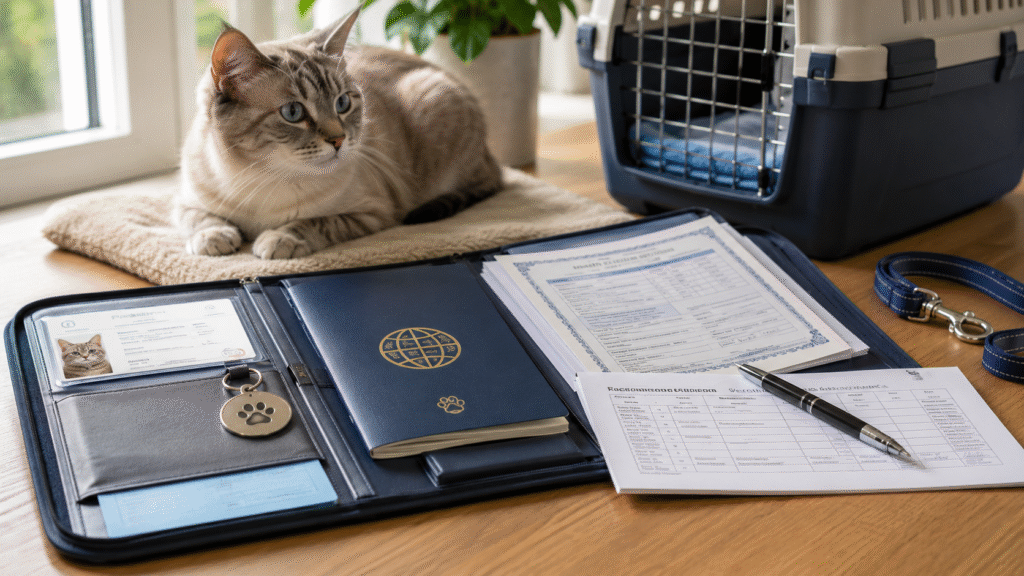
- Get a full health check-up and updated vaccination certificate from your vet at least 1–2 weeks before travel.
- Carry your pet’s original vaccination card, not just a photo: some hotels, airlines, and state checkpoints ask for the physical document.
- Make sure your pet wears a collar with an updated ID tag that includes your phone number.
- Check destination-specific rules before crossing state borders, as a few states require an animal health certificate. Carry a recent health certificate from your vet because some transport providers or properties may ask for it.
- Book pet-friendly accommodation in advance and always confirm pet policy directly by phone, as online listings aren’t always accurate or updated.
- Research your specific destination’s pet rules before booking: some places, sanctuaries, and heritage sites restrict or ban pets entirely.
- Keep a printed copy of your pet’s rabies vaccination certificate handy, since some train stations and hotels ask for it on the spot.
- If travelling with a large, restricted, or less common breed, confirm local rules and accommodation policy in advance. States, cities, and properties may have their own breed or size restrictions.
- Save your vet’s contact number and the contact of a vet near your destination before you leave.
- Keep photos of your pet and written identification details, such as markings, collar colour, or microchip number if available. It is useful for identification if they go missing en route.
Not sure which papers to carry? Read: Documents Required for Pet Travel in India.
Choosing the Right Transport
- For flying with pets, check your specific airline’s pet policy well in advance, as cabin vs. cargo rules and crate-size limits vary significantly between carriers.
- Book flights directly with the airline’s pet desk rather than online where possible, since pet bookings often need manual confirmation.
- If flying, choose early-morning or late-evening flights during summer to avoid extreme heat on the tarmac.
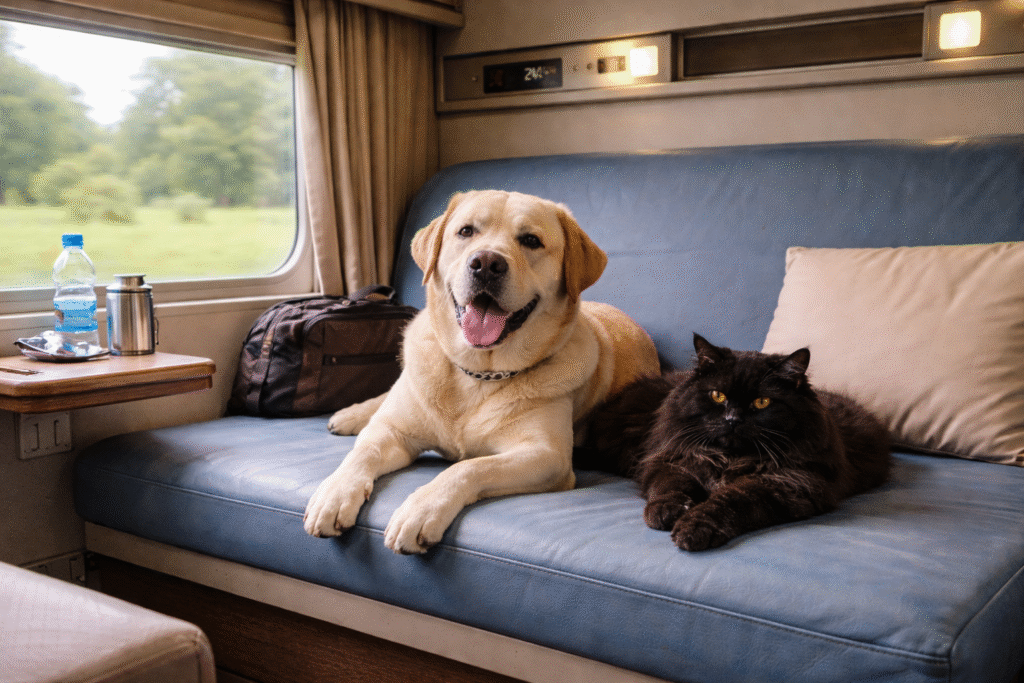
- For train travel with pets, check IRCTC’s current pet policy before booking; Pets are generally handled through specific coach, coupe, cabin, or luggage arrangements, and approval should be confirmed before travel.
- Book a full coupe or cabin (rather than open berths) when travelling by train with a pet, for both comfort and courtesy to other passengers.
- For road trips with pets, plan your route around pet-friendly rest stops and avoid long stretches without shade or water breaks.
- If hiring a cab, confirm the pet policy with the operator beforehand, as not all cab aggregators or rental companies allow pets.
- Avoid inter-state bus travel with pets unless the operator explicitly confirms it’s allowed. Most state transport buses do not permit pets.
- For long road trips, plan to stop every 2–3 hours for a bathroom break, water, and a short walk.
- Never leave your pet alone in a parked car, especially during summer, even for a few minutes. Car temperatures rise dangerously fast.
Packing Essentials for Travelling With Pets
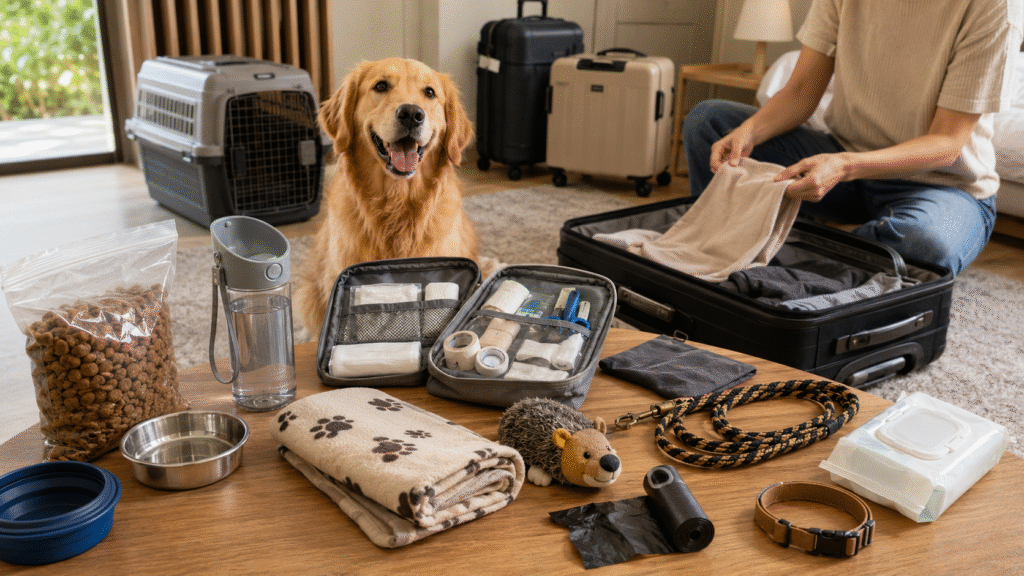
- Pack more food than you think you’ll need, since your pet’s usual brand may not be available at your destination.
- Carry a spill-proof portable water bottle and bottled water; tap water quality varies widely across regions.
- Pack a basic pet first-aid kit with antiseptic, bandages, tick-removal tools, and any prescribed medication.
- Bring a comfort item from home, like their regular blanket or toy, to ease anxiety in new environments.
- Carry waste disposal bags and clean up after your pet at all times, especially in shared or public spaces.
- Pack a well-ventilated, sturdy carrier or crate appropriate for your travel mode and your pet’s size.
- Bring a leash and collar with an ID tag, even if your pet is usually off-leash at home.
- Carry a cooling mat or damp towel for hot-weather travel, particularly for flat-faced breeds prone to heat stress.
- Pack a lightweight jacket or blanket if you’re heading to hill stations or colder regions, since many Indian breeds and short-haired pets aren’t used to cold.
- Keep flea and tick prevention up to date before departure, especially for forested or hill destinations.
For a simple packing guide, read: 10 Must-Have Pet Travel Accessories for Dogs.
Pet Safety and Health While Travelling
- Watch for signs of heatstroke, excessive panting, drooling, or lethargy and move to shade or AC immediately if they appear.
- Keep your pet hydrated more frequently than usual in hot or humid regions, offering water at every stop.
- Avoid feeding your pet a large meal right before travel to reduce the risk of motion sickness.
- Check for ticks and fleas daily if you’re travelling through forested, hilly, or grassy areas.
- Be cautious around street dogs and stray animals at rest stops, temples, and markets. Keep your pet leashed and at a safe distance.
- Avoid letting your pet drink from open water sources like ponds or roadside puddles, which can carry parasites or bacteria.
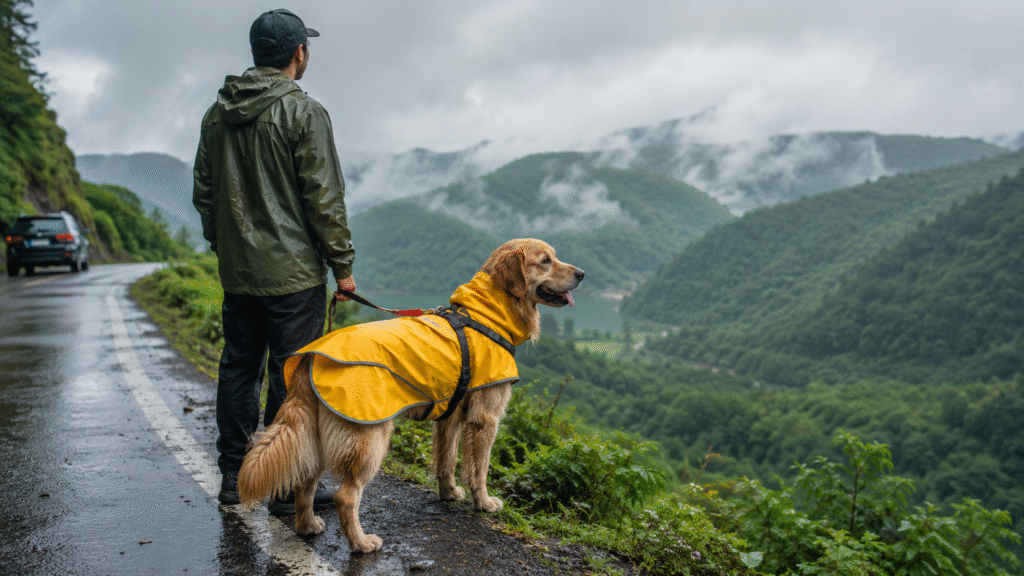
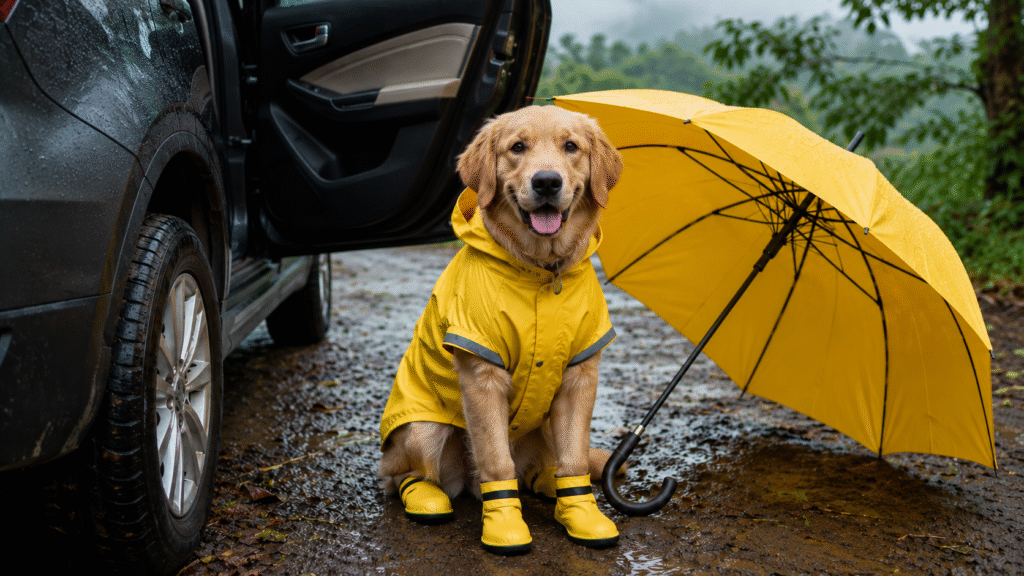
- During monsoon travel, dry your pet’s paws and coat thoroughly after walks to prevent fungal infections, common in humid conditions.
- Carry any regular medication your pet needs in its original packaging, along with a note of dosage in case you need a local vet’s help.
- If travelling to high-altitude hill stations, allow your pet a day to acclimatize before long walks or treks.
- Keep an eye out for regional wildlife risks (snakes, monkeys, or wild boar in some hill and forest areas) and keep your pet close in unfamiliar terrain.
Planning a long journey? Read: Does Your Pet Need a Vet Check Before Travel?
On-the-Ground Etiquette & Practical Tips

- Call ahead to pet-friendly cafes and restaurants to confirm current pet policy, as some only allow pets in outdoor seating.
- Keep your pet leashed in crowded tourist areas, markets, and near religious sites, both for safety and local comfort.
- Avoid taking pets into temples, mosques, gurudwaras, or other religious sites, as most do not permit animals inside.
- Respect “no pets” signage at wildlife sanctuaries and national parks. Most Indian forest and wildlife areas prohibit pets entirely, even in vehicles.
- Carry small notes or change for parking and toll areas so you’re not fumbling while managing your pet.
- Be mindful of noise and barking in shared accommodation like homestays or guesthouses, especially early morning or late night.
- Introduce your pet gradually to new environments like hotel rooms, rather than leaving them alone immediately after check-in.
- Keep a recent photo of your pet on your phone and share it with a travel companion, in case you get separated in a crowd.
- Locate the nearest vet or animal hospital at your destination as soon as you arrive, rather than waiting until it’s needed.
- Build slack time into your itinerary. Pets often need more frequent breaks and slower pacing than our travel schedule allows.
You May Also Like

Conclusion
Travelling with pets in India is possible, but it needs more planning than a regular trip. Climate, transport rules, accommodation policies, road conditions, and veterinary access can all affect your pet’s comfort and safety. From choosing the right mode of travel to packing smart and staying alert to your pet’s comfort along the way, these tips for travelling with pets should help you avoid the most common pitfalls. With the right documents, packing, route planning, and realistic expectations, you can avoid many common problems and have a much calmer travel experience.