Monsoon travel has its own charm. Many regions become cooler, greener, quieter, and more beautiful during the season, making it tempting for a trip. At the same time, monsoon travel with pets brings health and safety risks that should not be ignored.
Wet grass, stagnant water, leeches, ticks, fungal infections, road delays, flight disruptions, and damp hotel rooms can all affect your pet during the journey. Cancelling the plan may seem like the safest option, but it is not always necessary.
This guide separates monsoon travel myths from reality with practical do’s and don’ts to help protect your pet while you enjoy the season.
Common Monsoon Risks for Pets on the Road
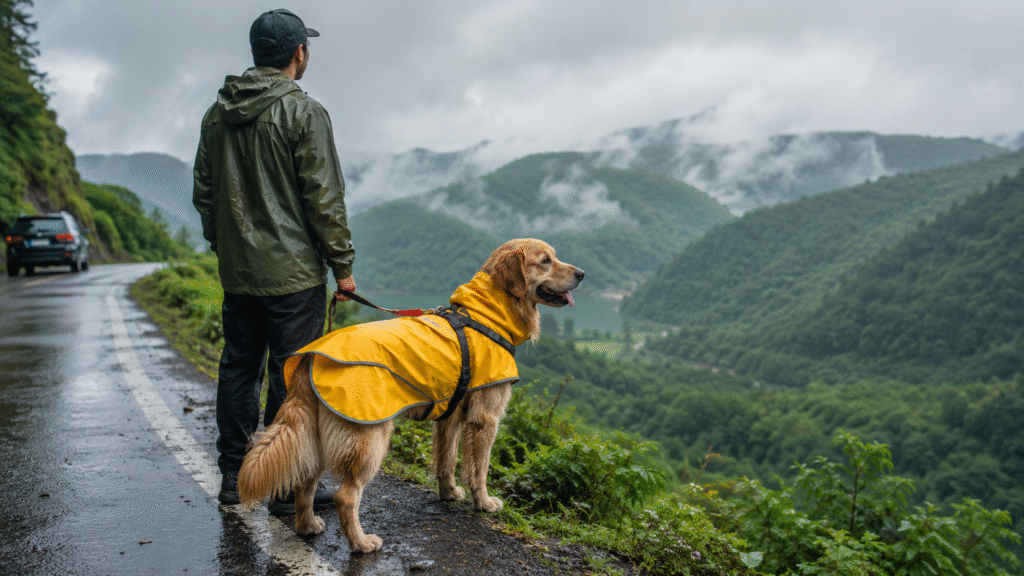
Before planning a monsoon trip with your pet, understand the risks clearly. Rain is not the only concern. Moisture, mud, insects, poor drying, contaminated water, and travel delays combine to create health and comfort issues for pets.
Planning your pet’s first trip? Read: How to Prepare Your Pet for Travel: First Trip Guide 2026
Leeches
Leeches become more active in wet environments and are common around forests, high-altitude trails, plantations, damp grasslands, lakesides, and shaded walking paths after rain. Dogs are more likely to pick them up around the paws, underbelly, ears, legs, and tail area.
Leech bites are usually not deadly, but can bleed for some time, and the wound can become infected if it is scratched, left dirty, or handled roughly.
Waterborne Infections
Puddles, roadside pools, stagnant drains, overflowing streams, and muddy ground can carry parasites and bacteria. Dogs are especially vulnerable because many will drink from any available water source during a walk.
Giardia and other gastrointestinal infections can spread through contaminated water, soil, food, and surfaces. A pet that drinks from puddles or licks muddy paws can develop vomiting, diarrhoea, dehydration, weakness, or appetite loss during the trip.
Fungal Infections
Rain, wet fur, damp paws, and restricted movement create ideal conditions for skin trouble. Pets that remain wet for long hours are more likely to develop itching, redness, paw infections, hot spots, and fungal skin issues.
Dogs with existing skin problems, long coats, skin folds, allergies, or thick fur need extra care during monsoon travel. Drying the coat properly after every wet outing is is essential for health protection.
Ticks, Fleas, and Mosquitoes
During monsoon ticks and fleas thrive in moist outdoor areas, tall grass, forest edges, and places where animals move frequently. Ticks can transmit serious diseases and can also cause skin wounds, irritation, and anaemia in heavy infestations.
Mosquito bites can cause irritation and discomfort for your pet. In some regions, mosquito-borne diseases such as heartworm are also a veterinary concern, so prevention should be discussed with your vet before travelling.
Road and Transport Risks
Roads may become slippery, landslides can occur in hill areas, waterlogging can slow vehicles, and visibility can drop quickly during heavy rain. Flights and trains may also face delays, cancellations, or long waiting periods.
For your pet, a delayed flight, a slow train, or a long traffic jam can mean missed meals, delayed toilet breaks, anxiety, overheating inside vehicles, or extended confinement.
Stress and Routine Disruption
Rain changes sounds, smells, surfaces, and routines. Some dogs become anxious during thunder, heavy rain, or long indoor confinement. Cats may become stressed by unfamiliar rooms, damp smells, and disrupted feeding times.
A pet that is already nervous during travel may struggle more during monsoon if the trip involves delays, wet bedding, loud rain, or repeated changes in plan.
20 Do’s for Monsoon Travel With Pets
1. Do Get a Pre-Trip Health Checkup
Schedule a vet visit around two weeks before your monsoon trip, especially for puppies, senior pets, flat-faced breeds, or pets with skin, breathing, heart, digestive, or mobility concerns. Ask your vet to review general health, ears, paws, skin, vaccination status, parasite prevention, and travel fitness.
Not sure whether your pet needs a vet visit before travelling? Read: Does Your Pet Need a Vet Check Before Travel?
2. Do Verify Current Monsoon Conditions at the Destination
Do not rely only on old travel blogs, past reviews, or social media photos. Heavy rain can quickly make roads muddy, walking areas unusable, or properties waterlogged. Check current weather conditions before you leave.
Call your accommodation and ask whether roads are open, outdoor areas are usable, leeches are active, and safe walking space is available for pets.
3. Do Choose a Stay With Reasonable Vet Access
During monsoon, emergency access matters a lot. Choose accommodation within a reasonable driving distance of a veterinary clinic or animal hospital, ideally around 30 minutes where possible.
For remote hills, forests, or lakeside stays, save the nearest vet’s phone number, location, and working hours before booking.
Looking for pet-friendly weekend getaways near Delhi? Read: 5 Amazing Pet-Friendly Weekend Getaways Near Delhi for Easy Road Trips
4. Do Update Vaccinations and Parasite Prevention
Make sure your pet’s rabies vaccine, core vaccinations, and tick, flea, or parasite prevention are current before travel. Speak to your vet about the right preventive plan for the destination and season.
Plan in advance to give enough time for the protection plan to settle before your pet enters wet grass, forest trails, homestay lawns, or areas with other animals.
5. Do Bring Waterproof Protection Gear
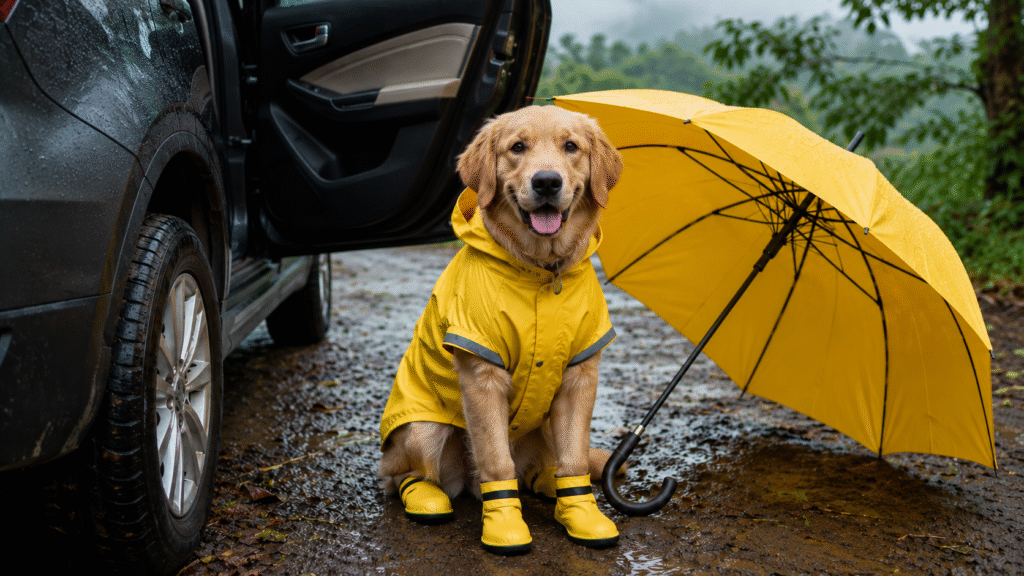
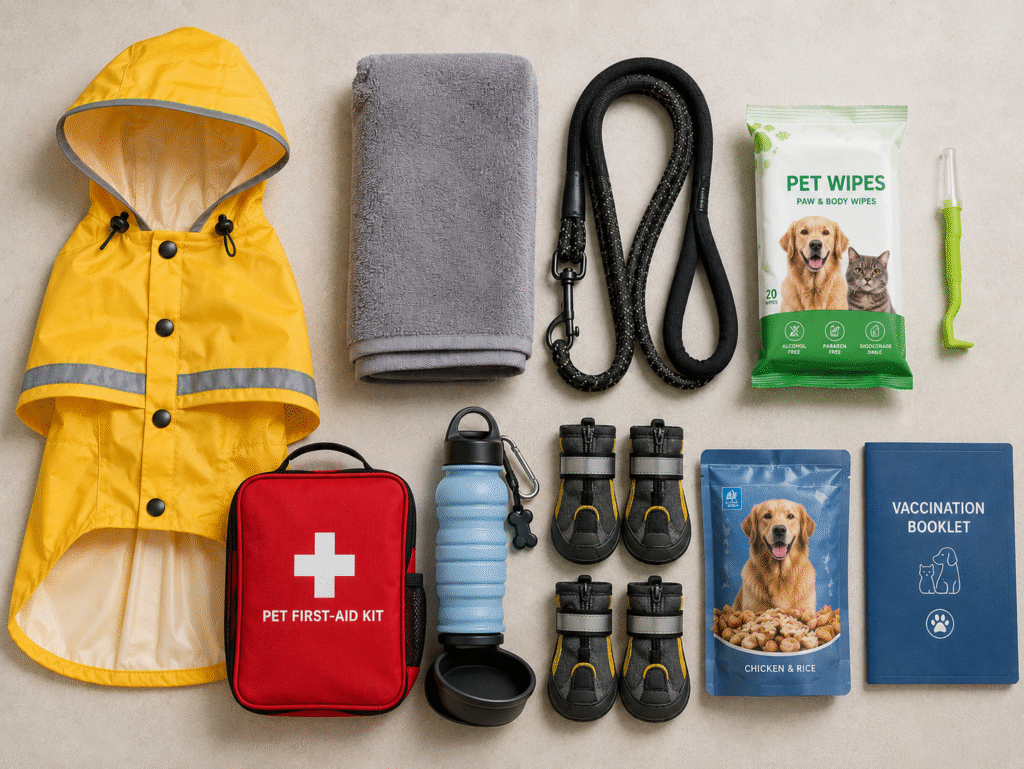
Carry a raincoat or waterproof jacket for your dog if you expect hill walks, forest stays, or long outdoor breaks. Paw covers can also help in muddy or leech-prone areas if your dog tolerates them.
Test everything before the trip. Gear that causes overheating, scratching, or refusal to walk is not useful on holiday.
6. Do Pack a Monsoon-Specific First-Aid Kit
Add wet-weather essentials to your usual pet travel first-aid kit, including, antiseptic solution, clean gauze, tick remover, pet wipes, vet-recommended skin medication, thermometer, prescription medicines, and emergency contacts. Keep vaccination records and any required health certificate in a waterproof pouch.
7. Do Pack Multiple Absorbent Towels
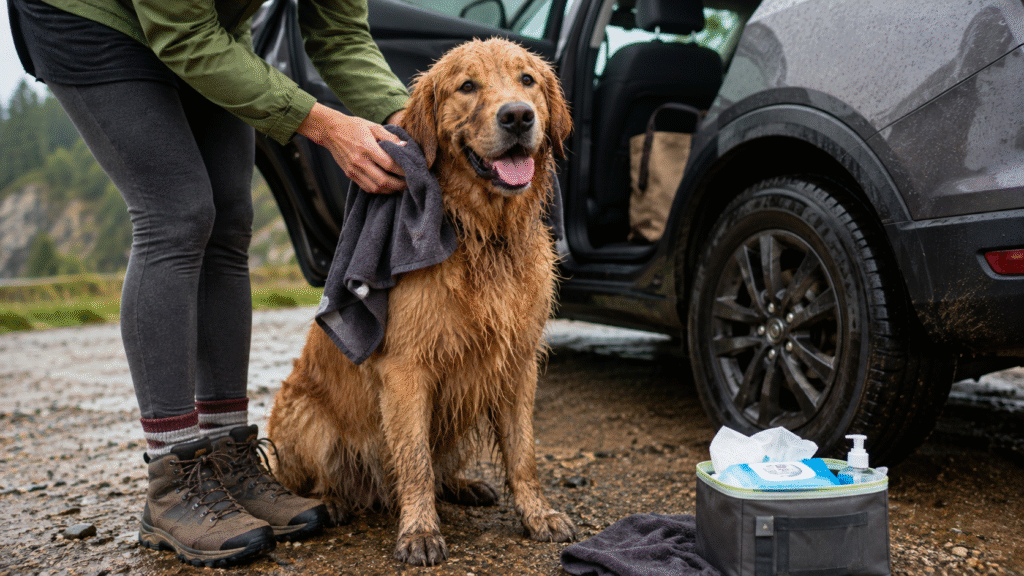
Carry at least four to six absorbent towels, with separate ones for paws, body drying, bedding protection, and car cleaning.
After wet walks, dry the paws, belly, armpits, ears, tail area, and skin folds properly. Damp fur left against the skin can lead to irritation and fungal problems.
8. Do Carry Backup Leashes and Harnesses
Leashes, collars, and harnesses can stay wet for hours during monsoon. Carry at least one backup leash and a spare collar or harness in case the first set gets muddy, damaged, or uncomfortable.
Choose quick-drying material where possible, and check clips, buckles, and stitching before leaving.
9. Do Prepare a Paw Cleaning Kit
Mud, dirty water, gravel, leeches, and debris can collect between toes and under nails. Carry a paw wash bottle, clean cloths, pet-safe wipes, paw balm, and a small towel.
Clean and dry paws after outdoor walks, especially before your pet settles on bedding or inside the car.
10. Do Pack Enough Food With Extra Reserve
Carry your pet’s regular food plus at least 20% extra. Rain delays, blocked roads, and remote stays can make it difficult to find the same brand.
Avoid changing food during the trip unless medically necessary. Travel stress combined with a sudden diet change can upset digestion.
11. Do Plan Driving Routes Around Current Road Conditions
Check rainfall alerts, landslide warnings, waterlogging updates, and road conditions before leaving. In hill regions, ask the property or a reliable local contact about the actual route.
Avoid driving in heavy rain or late at night when visibility is poor and roads are slippery.
12. Do Secure Your Pet During Car Travel
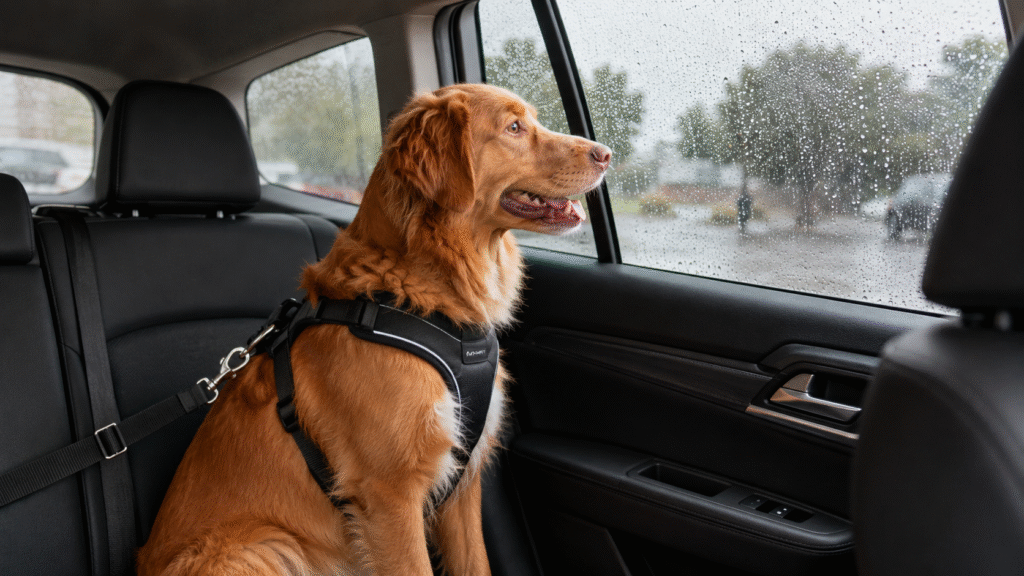
Use a secure carrier, travel crate, or crash-tested harness. A loose pet inside a moving car is unsafe, especially during sudden braking or rough monsoon roads.
Keep the car ventilated, use waterproof seat protection, and stop only at safe, low-traffic places for breaks.
13. Do Build Extra Time Into Flights and Train Travel
Monsoon delays can affect flights, trains, stations, and airport movement. Avoid tight connections and leave enough time for check-in, transfers, and unexpected waiting.
Keep extra food, water, pee pads, cleaning supplies, and medicines in your hand luggage where allowed.
14. Do Carry Current Travel Documents
Airlines may require a fitness certificate, vaccination proof, carrier details, or other documents depending on the route and policy. Confirm requirements directly with the airline before travel.
Carry printed and digital copies in case delays or rescheduling lead to repeated checks.
Wondering which pet travel documents you need? Read the complete list: Documents Required for Pet Travel in India
15. Do Check Daily for Leeches and Ticks
After outdoor walks, check between the toes, inside ears, under the collar, around the tail, belly, armpits, groin area, and under thick fur.
Remove ticks safely with a tick remover. For leeches, follow your vet’s guidance and watch the area for persistent bleeding, swelling, or infection.
16. Do Give Clean Drinking Water Only
Do not let your pet drink from puddles, roadside water, lakes, streams, hotel buckets, or unknown taps. Carry filtered or boiled water where possible.
Clean drinking water helps reduce the risk of stomach upset during rainy-season travel.
17. Do Clean and Dry Your Pet Properly When Needed
Clean your pet after muddy walks, dirty water exposure, or visible skin irritation. Use a gentle pet shampoo or vet-recommended product when bathing is necessary.
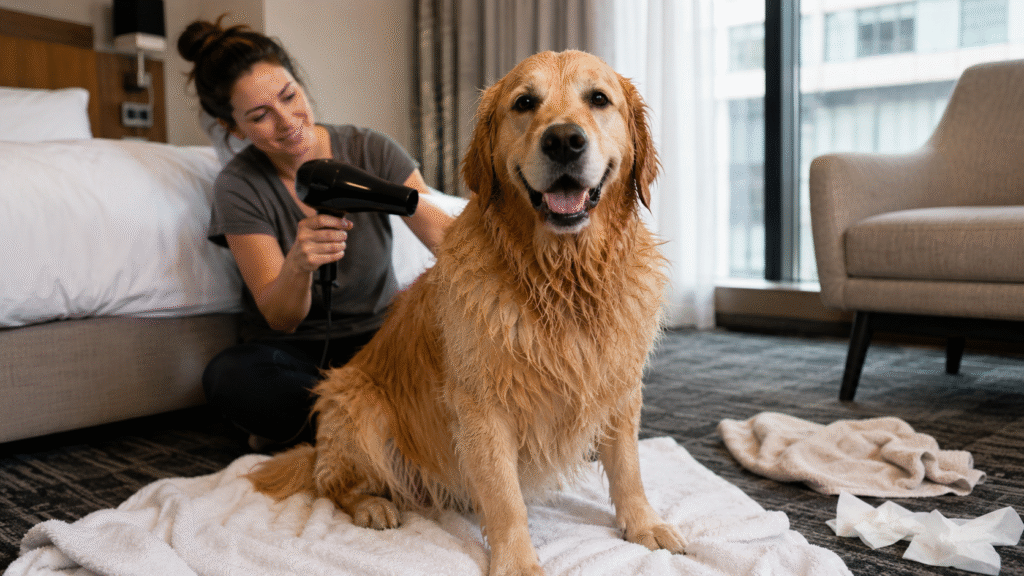
The important part is thorough drying. Do not leave the coat damp near the skin, especially around folds, paws, ears, and under the belly.
18. Do Keep Outdoor Time Earlier in the Day
Morning walks are often easier than late-evening outings during monsoon, when rain, poor visibility, and slippery paths may increase.
Keep later walks short and close to the property, especially in unfamiliar areas.
19. Do Watch for Behavioural Changes
Loss of appetite, unusual tiredness, scratching, paw licking, loose stools, vomiting, trembling, hiding, or reluctance to walk can signal stress or illness.
Do not dismiss sudden changes as simple travel mood. Contact a vet early if your pet seems unwell.
20. Do Stay in Contact With Your Home Vet
Save your regular vet’s number before travelling and ask whether they can provide remote guidance if needed.
For minor concerns, quick advice can prevent panic. For serious symptoms, your vet can help you decide whether the nearest clinic is needed immediately.
20 Don’ts for Monsoon Travel With Pets
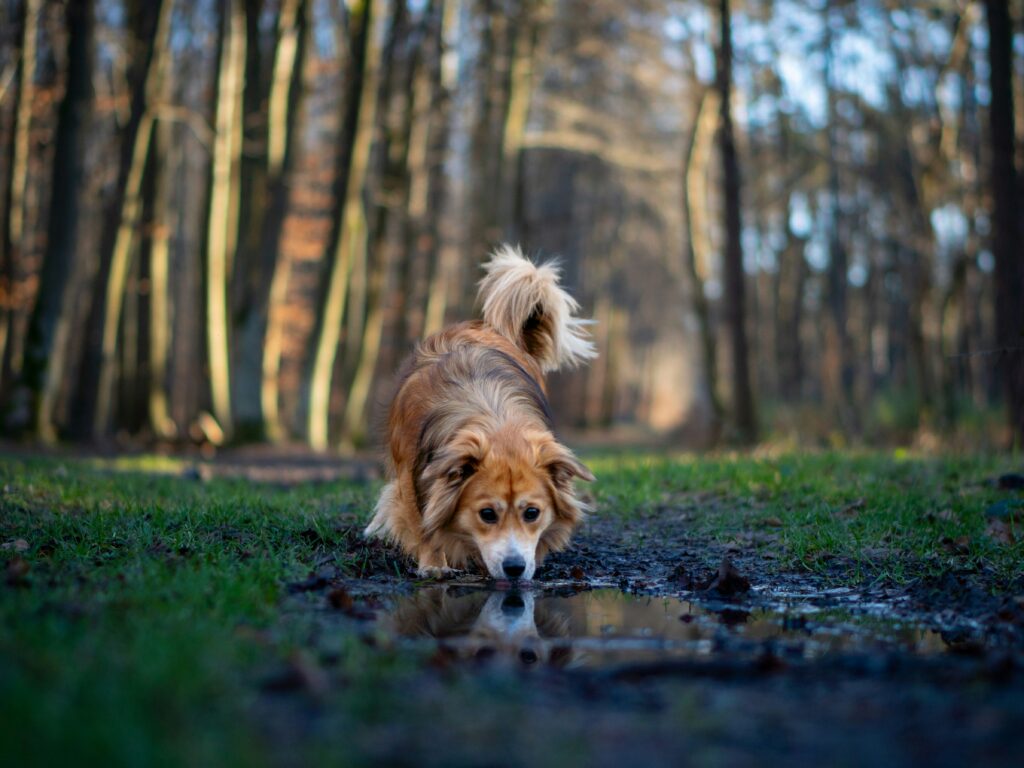
1. Don’t Let Your Pet Drink From Puddles or Stagnant Water
Stagnant water can carry parasites, bacteria, sewage, mud, and chemicals. One drink from a puddle can lead to vomiting, diarrhoea, dehydration, or days of discomfort.
Carry clean water and offer it often. A thirsty dog is more likely to drink from unsafe places.
2. Don’t Ignore Leech Attachment
A leech bite can bleed and later become infected. Check your pet after every walk in wet grass, forest trails, tea gardens, lakeside areas, and damp homestay lawns.
Remove leeches carefully, clean the area, and monitor the wound. If the leech is in the nose, mouth, ear, eye area, or a sensitive location, get veterinary help.
3. Don’t Skip Parasite Prevention
Ticks and fleas do not wait for travel schedule. Monsoon conditions support their spread, especially in grassy, wooded, and animal-dense areas.
Use vet-approved parasite protection before the trip and continue it as advised. Check your pet even when prevention is current.
4. Don’t Leave a Wet Pet Confined Indoors
A wet pet sleeping for hours in a closed room is at higher risk of skin irritation, fungal growth, smell, and discomfort. This is especially true for long-haired dogs, pets with folds, and dogs with existing skin sensitivity.
Dry your pet fully before long rest periods. Change damp bedding immediately.
5. Don’t Use Human Medicines on Pets
Human painkillers, fever medicines, anti-allergy tablets, and skin creams can be dangerous or toxic for pets. Dosage and safety differ sharply between humans and animals.
Use only medicines prescribed or approved by a vet. When in doubt, call before giving anything.
6. Don’t Delay Vet Care Even if Problem is Small
Monsoon can make minor issues worsen quickly. A small paw wound can become infected. Mild itching can become a skin flare. Soft stool can become dehydration during travel.
Contact a vet early if your pet shows bleeding, swelling, repeated vomiting, diarrhoea, weakness, fever, breathing trouble, or refusal to eat.
7. Don’t Force Outdoor Activity During Heavy Rain
Heavy rain increases the risk of slipping, stress, cold exposure, and injury. Short toilet breaks are enough during bad weather. Save longer walks for safer hours.
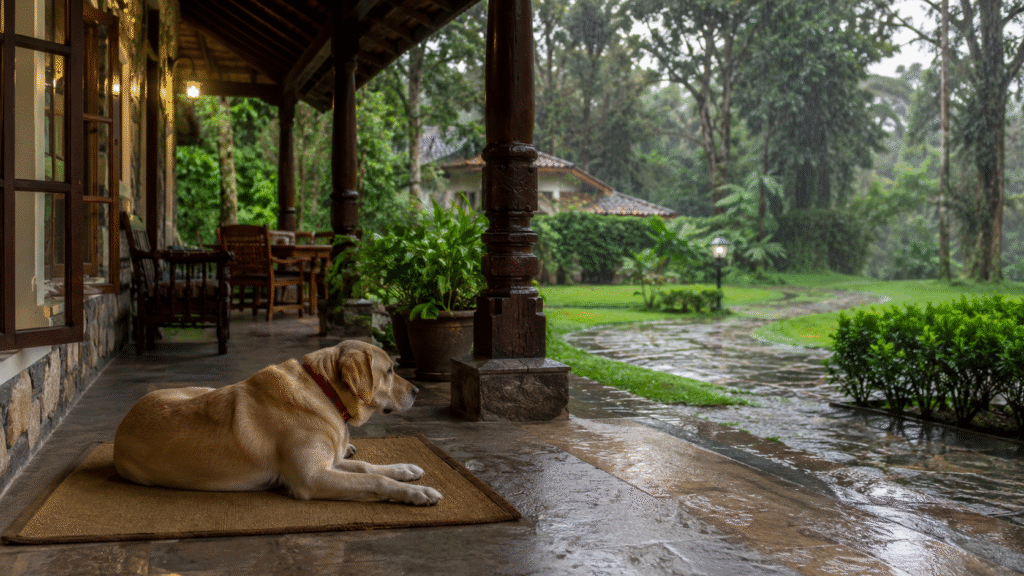
8. Don’t Walk Through Flooded Areas
Flooded streets and paths hide open drains, sharp objects, contamination, currents, and uneven surfaces. Pets can panic, slip, or get injured before you see the danger.
Use known, dry routes. If the road is flooded, wait.
9. Don’t Visit Known Leech Zones Without Protection
If locals or the accommodation warn you about leeches, take it seriously. Avoid tall wet grass, dense forest patches, and unmarked trails during peak activity.
Use protective gear, keep your pet on the path, and check the body after every outing. If infestation is high, skip that walk.
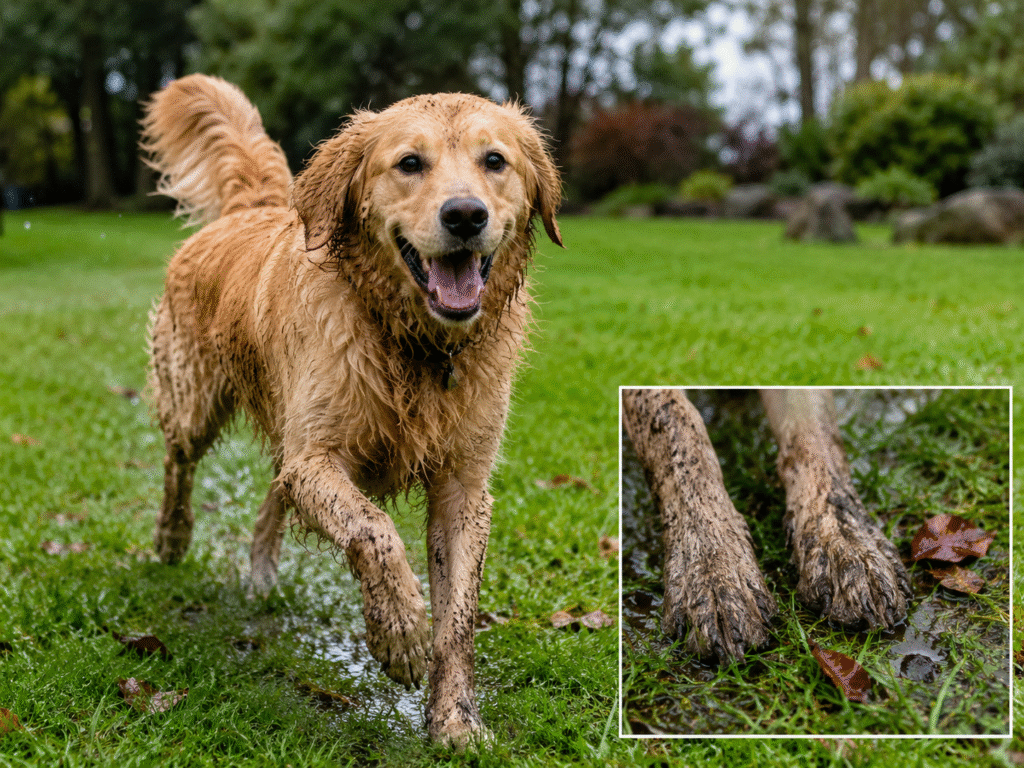
10. Don’t Skip Paw Cleaning After Muddy Walks
Mud carries moisture and organisms that can irritate skin. If mud dries between the toes, it can cause itching, licking, cracks, and infection.
Clean paws immediately after walks. Dry between the toes, not just the top of the paw.
11. Don’t Allow Off-Leash Walking During Monsoon
Wet ground, low visibility, wildlife movement, stray dogs, traffic noise, and slippery slopes make off-leash walking unsafe. Keep your dog leashed in forests, villages, lakesides, riverbanks, hotel lawns, and parking areas.
12. Don’t Keep Your Pet Indoors for the Entire Trip
Constant confinement can create stress, restlessness, barking, destructive behaviour, and poor sleep. Pets still need movement, sniffing, toilet breaks, and mental relief.
Balance safety with short, controlled outdoor time. Choose dry windows, covered spaces, verandahs, and quiet paths.
13. Don’t Drive During Heavy Rainfall
Heavy rain reduces visibility and road grip. Waterlogging can stall vehicles, and hill roads can become risky without warning. Stop at a safe place and wait for the rain to reduce. Plan for delays in advance. Reaching safely with your pet matters more than schedule.
14. Don’t Leave Your Pet Alone in the Vehicle
Monsoon stops can be chaotic. A parked vehicle can become stressful, poorly ventilated, or unsafe. Pets can panic, chew, escape, or injure themselves.
Take turns during breaks. One person should stay with the pet, or choose stops where the pet can remain supervised safely.
15. Don’t Book Flights Without Checking Weather Patterns
Monsoon flight delays can create long waiting periods for pets. Cabin pets may become restless, and cargo or hold travel can become more complicated during delays.
Check forecasts, choose better weather windows, and add buffer days. Avoid travel plans where one delay ruins the entire schedule.
16. Don’t Travel During Peak Monsoon Without Planning
Peak monsoon is not the time for vague plans. Roads, hotels, vet access, pet food, and outdoor areas all need advance checking.
Poor planning turns monsoon trip into crisis management. Confirm everything before leaving home.
17. Don’t Skip Travel Insurance Where Suitable
Travel insurance can help with cancellations, delays, and unexpected expenses depending on the policy. Pet-specific medical cover is still limited in many places, so read the terms carefully.
Keep emergency funds ready even if you buy insurance. Monsoon travel often costs more when plans change suddenly.
18. Don’t Use Old Destination Information
A review from last year does not tell you current road status, landslide risk, waterlogging, leech activity, or property condition. Call the accommodation. Ask locals. Check current weather alerts. Monsoon information expires quickly.
19. Don’t Forget to Carry Your Pet’s Familiar Items
Some pets struggle with thunder, damp rooms, long confinement, new smells, and wet surfaces. Stress can show as hiding, barking, panting, refusing food, diarrhoea, or clinginess.
Carry familiar bedding, toys, food, and routine cues. Build quiet rest time into the trip.
20. Don’t Travel With a Sick or Unvaccinated Pet
A pet that is already unwell should not be taken into monsoon conditions unless the travel is medically necessary. Unvaccinated pets also face higher risk around other animals, contaminated surroundings, and unknown environments.
Complete the health check, vaccination review, and parasite protection before travel. If your vet advises postponement, postpone the trip or if possible leave them with trusted person. Your pet doesn’t need to accompany you at every place from your sightseeing list.
Quick Monsoon Travel Checklist for Pets
Pack these before you leave:
- Waterproof rain cover or raincoat
- Pet shoes or paw covers
- Absorbent towels
- Pet-safe dryer or hair dryer on a low, cool setting
- Extra leash, collar, or harness
- Paw wipes and paw balm
- Tick remover and vet-approved antiseptic
- First-aid kit and regular medicines
- Pet food with extra reserve
- Clean drinking water and travel bowl
- Waterproof pouch for vaccination records and travel documents
- Pet carrier, crate, or car safety harness
- Bedding cover or waterproof mat
- Poop bags, pee pads, and cleaning wipes
- Nearest vet’s contact details at the destination
Note: This article is for general travel guidance and does not replace veterinary advice. Speak to your vet about your pet’s health, medicines, parasite prevention, or travel fitness before a monsoon trip. Some images in this article are AI-generated for illustration and may not show the exact locations or situations described.
Conclusion
Monsoon travel with pets is not something to fear, but it does require stronger planning than a fair-weather trip. Rain changes roads, surfaces, water safety, insect activity, and your pet’s comfort, so preparation decides whether the trip feels refreshing or stressful. Choose your destination carefully, keep your pet dry, clean, leashed, and monitored, and the monsoon can become a safe and memorable season to travel together.