Hill stations in winter can be beautiful, but they can also be physically demanding for pets. Sudden temperature drops, snow exposure, and altitude changes are not something most Indian pets experience in daily life. Planning ahead makes the difference between a safe trip and a stressful one. Hill stations like Shimla, Manali, Mussoorie, Nainital, and Dharamshala are picturesque winter destinations, but without winter pet travel essentials, it can be a harsh and unforgiving environment for pets who have spent their lives in India’s largely moderate climates.
Most Indian pets are not built for sub-zero temperatures. A dog living in Bengaluru may experience 15–30°C year-round. Shimla in January can drop to −2°C. That is a dramatic physiological shift for an animal used to warmth.
This guide is designed to help you decide whether winter hill travel is right for your pet, and if yes, how to prepare properly so your trip is safe, comfortable, and enjoyable for both of you.
Why Winter Travel Is Harder on Indian Pets
Indian Pets and Cold Tolerance
Most pets in India are adapted to warm or temperate conditions. Even breeds that originated in colder regions have been bred locally for generations and no longer possess the same coat density or cold resilience as their northern ancestors.
Pets that struggle the most in cold weather include:
- Short-coated breeds such as Indian Pariah dogs, Dobermans, Boxers, Dalmatians, Pugs, Beagles
- Small dogs that lose body heat quickly due to their size
- Puppies and senior pets, who regulate body temperature poorly
- Cats, especially short-haired Indian cats
- Pets with health issues such as arthritis, heart conditions, respiratory problems, or diabetes
Cold weather is not comfortable for pets and could increase genuine health risks.
Common Winter Pet Travel Health Risks for Indian Pets
1. Hypothermia
Occurs when body temperature drops below normal. Signs include intense shivering, lethargy, weak pulse, shallow breathing, and stiffness. This is a medical emergency.
2. Frostbite
Affects ears, tail, and paws in extreme cold. Skin may appear pale or grey, then become swollen and painful during re-warming.
3. Cracked Paw Pads
Dry mountain air, snow, ice, and rough terrain can cause painful splits in paw pads.
4. Respiratory Stress
Cold air can trigger breathing difficulties, especially in flat-faced breeds and cats.
5. Dehydration
Pets often drink less in cold weather, even though their bodies still need adequate hydration.
Essential Winter Gear for Pets
Rather than endlessly buying products, focus on functions. Your pet needs warmth, insulation, traction, hydration, and rest.
1. Winter Jackets and Sweaters
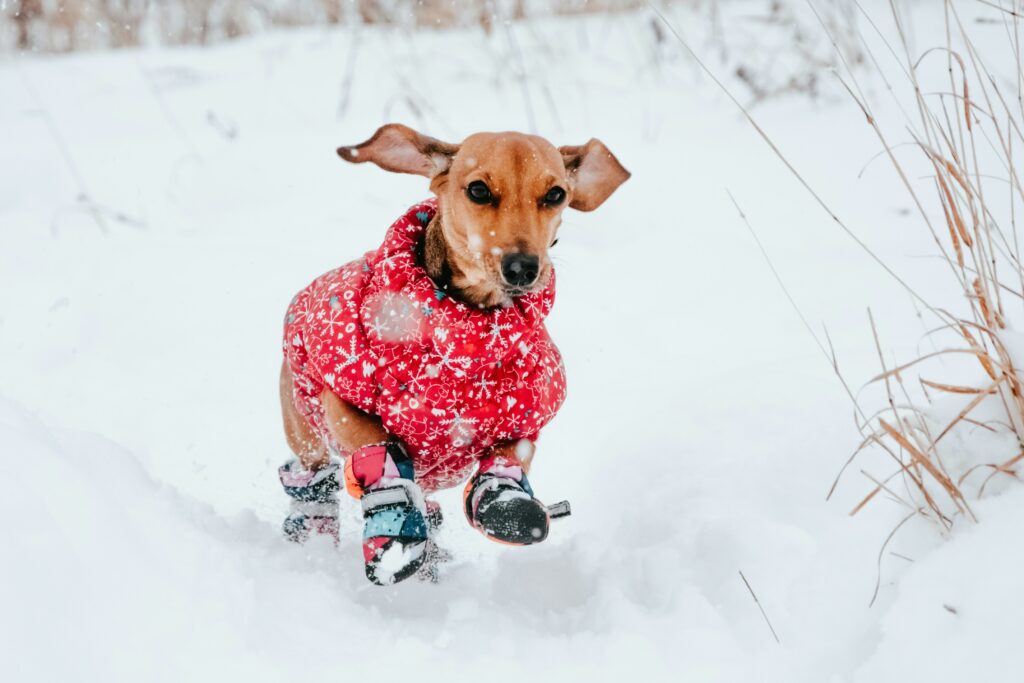
Your primary defense against hypothermia. Quality winter wear traps body heat while allowing moisture to escape, keeping your pet warm and dry.
2. Boots and Balms for Paw Protection
Snow, ice, salt on roads, and rough mountain terrain can cause serious paw injuries. Cracked paw pads are painful and can ruin your trip.
3. Bedding and Warmth for Sleeping
Night temperatures in hill stations drop sharply. Hotel heaters are often insufficient. Your pet needs insulated bedding and a warm sleeping surface.
4. Hydration and Feeding Support
Cold weather suppresses thirst. Insulated bowls and slightly warmed water can help maintain hydration.
5. Health and Safety Kit
Winter-specific first aid preparation is essential and should include items for paw care, warmth, and injury management.
Essential Contents:
- Digital thermometer (monitor for hypothermia)
- Antiseptic wipes and cream
- Bandages and gauze (for paw injuries)
- Tweezers (for removing ice balls from fur)
- Emergency blanket
- Instant heat packs
- Paw balm
- Anti-diarrhea medication
- Pain relief (vet-approved)
- Vet contact information
Additional Cold-Weather Items:
- Petroleum jelly (prevents ice buildup on paws and nose)
- Coconut oil (treats dry, cracked paw pads)
- Saline solution (rinses salt from paws)
Grooming and Hygiene in Cold Weather
- Avoid bathing unless absolutely necessary. Use dry shampoo instead.
- Dry thoroughly after any exposure to snow or rain
- Trim fur between paw pads to prevent ice buildup
- Use pet-safe wipes to remove salt and chemicals after walks
Destination-Specific Packing Guidance
Shimla / Manali (Severe Cold, Snow Likely)
Focus on insulation, paw protection, and warmth during sleep.
Essential:
- Insulated puffer jacket
- Dog boots (mandatory for snow)
- Self-warming bed
- Paw wax (use with boots)
- First aid kit with heat packs
- LED collar
- Thermal blanket
- Insulated water bowl
Recommended:
- Heated mat
- Extra fleece layer
- Dry shampoo
- Goggles (if dog will tolerate – protects from snow glare)
Mussoorie / Nainital (Moderate Cold)
Winter pet travel essentials for moderately cold cities are waterproof outerwear, paw care, and thermal bedding, which are usually sufficient.
Essential:
- Waterproof jacket or fleece sweater
- Paw wax
- Regular travel bed with blanket
- First aid kit
- Reflective gear
Recommended:
- Dog boots (optional but helpful)
- Self-warming bed
- Thermal blanket
Ooty / Coorg (Mild Cold)
Light insulation and evening warmth generally suffice.
Essential:
- Light fleece sweater
- Paw wax
- Regular travel bedding
- Basic first aid kit
Recommended:
- Light rain jacket (if monsoon tail-end)
- Thermal blanket for evenings
Cold severity varies year to year. Always check forecasts before travel.
Preparing Your Pet Before the Trip
Veterinary Check
Schedule a vet visit 2–3 weeks before travel to discuss cold exposure, altitude, and any health concerns.
Gear Familiarisation
Introduce jackets, boots, or carriers at home. Never debut winter gear for the first time at the destination.
Gradual Acclimatisation
If possible, expose your pet to cooler temperatures gradually before travel.
Identification
Ensure ID tags and microchips are updated. Pets can get disoriented in unfamiliar terrain.
During the Trip: What to Watch For
1. Signs of Cold Stress
- Persistent shivering
- Weakness or lethargy
- Shallow breathing
- Pale or bluish gums
If observed, warm your pet immediately and seek veterinary care.
2. Monitor Paws
Check paw pads daily for cracks, cuts, or ice buildup between toes. Apply paw balm morning and evening.
3. Limit Outdoor Time
Even with protective gear, limit continuous outdoor exposure:
- Above 5°C: 30-60 minute sessions
- 0°C to 5°C: 20-30 minute sessions
- Below 0°C: 10-15 minute sessions for small/short-haired dogs
4. Keep Your Pet Hydrated
Offer water frequently. Cold air is dry and dehydrating. Add warm water to food to encourage fluid intake.
5. Never Leave in Parked Car
Cars lose heat rapidly in cold weather. What feels mildly cool can become dangerously cold within 30 minutes.
6. Wipe Down After Walks
Remove salt, ice, and chemicals from paws, legs, and belly to prevent ingestion during grooming.
7. High Altitude Considerations
Many hill stations are at significant elevation:
- Shimla: 2,200m
- Manali: 2,050m
- Darjeeling: 2,050m
- Mussoorie: 2,005m
Altitude Affect on Pets:
- Reduced oxygen can cause fatigue
- Increased breathing rate
- Possible altitude sickness (rare but possible)
Prevention:
- Ascend gradually if possible (stay at mid-elevation first night)
- Avoid strenuous activity first 24 hours
- Monitor breathing and energy levels
- Descend if severe lethargy or breathing difficulty occurs
8. Emergency Contacts
Before traveling, research:
- Nearest veterinary clinic at your destination
- 24-hour emergency vet services
- Pet ambulance services (available in most major hill stations)
- Local animal rescue contacts
Save these numbers in your phone before departure.
Training Pets to Accept Winter Gear
Paw Protection Training
Introduce gradually over 1–2 weeks using positive reinforcement. Most pets initially walk awkwardly. This is normal.
Jacket Acceptance
Winter pet travel gear, like jackets are usually easier to adapt to than boots. Associate them with positive experiences like walks or treats.
If your pet strongly resists gear, shorten outdoor time and reconsider destination severity.
What Not to Do
- Do not overdress pets
- Do not use human moisturisers on paws
- Do not ignore shivering
- Do not let pets consume snow excessively
- Do not assume breed equals cold tolerance
- Do not skip meals
- Do not leave pets in parked cars during winter
Budget Expectations (Approximate)
Costs for winter pet travel essentials vary widely. To make it easier, we recommend assembling pet winter gear gradually. Many items are reusable year-round.
The minimal setup requirement is insulation, paw care, and bedding. Higher-budget items are added for comfort, but are not mandatory for safety.
Frequently Asked Questions
Can cats travel to hill stations in winter?
Yes, but cats tolerate cold poorly and stress easily. Indoor-focused stays with minimal exposure are recommended.
How cold is too cold?
Below −5°C poses significant risk for most pets. Even above that, tolerance varies widely.
Should food portions increase?
Slightly, as pets burn more calories to stay warm.
Are heated mats safe?
Pet-specific heated mats with safety controls are generally safe when used correctly.
Is Winter Hill Travel Right for Your Pet?
Not every pet enjoys or tolerates winter travel. Honest assessment matters more than enthusiasm.
Better candidates
- Healthy adult pets
- Medium to large breeds with moderate coats
- Adaptable, confident animals
Reconsider if
- Very young or senior pets
- Chronic health conditions
- Severe anxiety
- Extremely cold destinations without proper protection
Final Thought
Travelling to a hill station in winter with pets is fun with careful planning. With realistic expectations, proper preparation, and a willingness to adjust plans, many pets can enjoy the mountains. And if your pet is uncomfortable despite precautions, it is reasonable to shorten the trip and choose different weather conditions for future trips or leave them with a trusted pet-sitter.