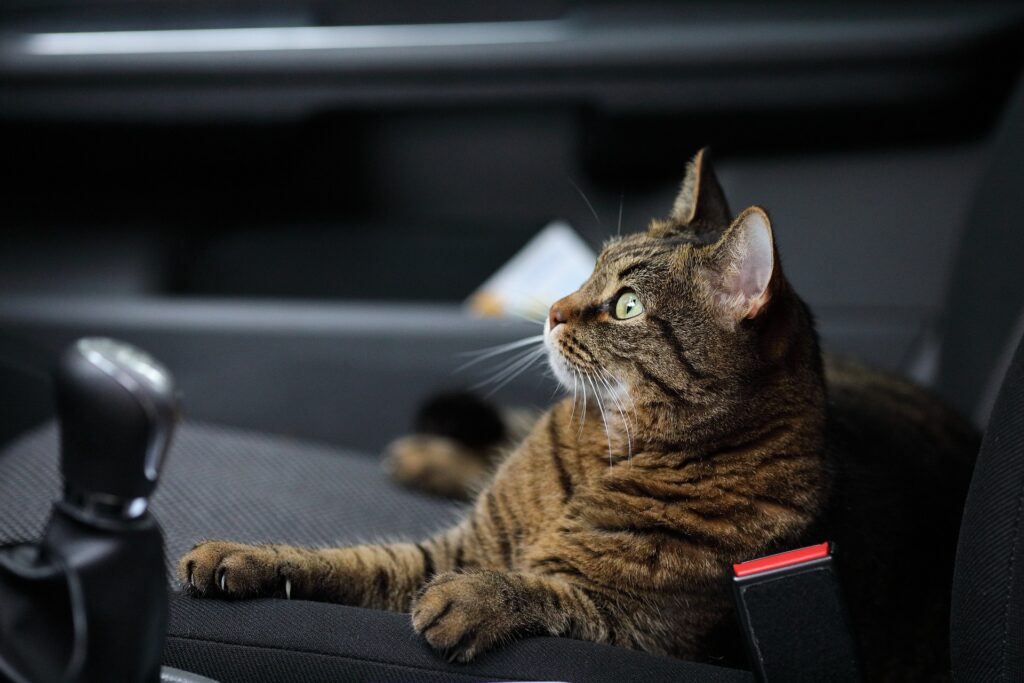
Preparing a pet for their first trip is not just a logistical exercise.
It requires understanding how unfamiliar environments, confinement, noise, and movement affect an animal that has no context for travel.
For some pet parents, leaving an animal behind is not always a practical or emotional option. In those cases, preparation becomes critical to reduce stress and avoid harm.
This guide focuses on practical steps to assess readiness, prepare a pet for their first journey, and recognize situations where postponing travel may be the kinder choice.
The suggestions here are based on real travel experiences in India across road, rail, and air, and are intended to help pet owners plan with clarity rather than optimism.
Before You Begin: Understand the Emotional Landscape
While we may enjoy a change of location, for pets, it’s a disruption. They feel safe with the familiar. New smells, strange sounds, and different routines can be overwhelming.
When you prepare gently and in advance, it just doesn’t help your pet with the journey, but also saves you a lot of trouble.
1. Begin with Short Trial Journeys
You can introduce your pet slowly to travelling.
Don’t make their first trip a 10-hour train or car ride. Trust me, it’s too messy to handle. Ideally, begin a month in advance and build up gradually.
Small Steps Matter:
- Take them on a 15-minute car ride around the neighbourhood. Gradually increase the time.
- Try a short trip on a local train or bus to nearby places.
- Encourage your pet to sit inside a closed carrier for a few minutes daily. Sit beside them if needed.
- Let them get used to the feeling of being moved or contained. Let them explore new smells and sounds.
Watch for signs:
If they drool, shake, or throw up, pause. Comfort them. Offer water, hold them, or gently pet them. Don’t push. Try again the next day.
They may seem scared even when you’re back. Don’t worry. Sit with them, offer their favourite treat, but don’t overdo it. Small trials can make a big difference, for you and them.
2. Crate or Carrier Training
Many pet parents skip this important part from the beginning, because it feels “too strict.” But for travel, crate training is non-negotiable.
Here’s what You Can Do:
- Keep the crate open at home. I always do. My cat often naps inside or quietly watches us go about our day.
- Start by putting treats inside. Gradually add a toy or their blanket.
- Never force them inside. Let them associate it with safety, not punishment.
- Once they’re comfortable, begin carrying the crate for short distances.
- Talk to them while they’re inside. Use a calm, soothing tone. Let them feel your presence.
Eventually, your pet will associate the crate with safety, not confinement
3. Pick the Travel Mode That Suits Your Pet
Travelling With Pets By Car (Most Flexible Option)
The car is by far the most convenient way to travel with your pet. Pets are familiar with you and your vehicle, and it also gives you freedom of pace. You can take as many pit stops as you want. Stretch your legs, walk your pet, let them sniff and explore, and let their curiosity overcome their fear. Follow safety measures, and you are good.
Tips for Car Journey:
- Use a harness seatbelt, crate, or carrier. Never let your pet roam freely inside a running car.
- Don’t let them stick their head out the window. It may be Instagram-worthy but highly unsafe.
- Stop every 2–3 hours to walk them, give water, and let them relieve themselves.
Travelling with Pets by Train
Indian Railways allows pets in First Class AC Coupe, and to be honest, if you’re travelling with a dog (or even a cat), this is your best bet. In my experience, it’s not just an option, it’s the only real choice if you care about your pet’s well-being.
Here’s what you need to know:
- Only First Class AC (1AC) allows pets to travel with you in the passenger compartment. This rule applies to both small and large pets.
- No other class, 2AC, 3AC, Sleeper, Chair Car permits animals in the cabin. In these cases, your pet will be placed in the luggage van (brake van), which is often loud, uncomfortable, and not suitable, especially for small or sensitive animals.
- You must book the entire coupe (2-berth or 4-berth) for privacy and safety.
- Your pet can stay with you inside the coupe during the journey.
Before the trip, you’ll also need to:
- Inform the parcel office about your pet.
- Buy a luggage ticket for them.
- Carry vaccination documents, especially the rabies certificate.
Don’t forget to pack their bedding, food, and water bowl. Familiar smells help reduce anxiety especially on overnight trips when your pet needs comfort the most.
Important: You can request a coupe while booking, but the final allotment is always at the discretion of Indian Railways. It’s not guaranteed so plan accordingly.
Travelling with Pets by Flight (Plan Ahead)
Travelling by air with your pet in India isn’t just booking a ticket. It requires careful planning, choosing the right airline, and a lot of paperwork. But with the proper steps, your pet can fly safely and stress-free.
Airlines in India follow different rules for pet travel.
- Air India allows small pets (under 5kg) in cabin on select routes.
- IndiGo only allows pets in cargo.
Tips for Air Travel:
- Use an airline-approved crate that is well-ventilated, secure, and spacious enough for them to move comfortably.
- Label the crate clearly.
- Carry a health certificate and vaccination record.
- For pets flying in cargo, you can use a crate with securely attached food and water bowls.
- You can freeze water or use slow dispensers..
- Avoid feeding right before travel. Instead, aim for a light meal 3–4 hours in advance.
- Avoid sedation unless your vet insists.
4. Choose the Right Place to Stay
The label “pet-friendly” can be incredibly misleading. Sometimes it only means your dog is allowed to walk in the garden not stay inside the room with you. And trust me, finding that out after a long journey, with a tired and anxious pet, is the kind of nightmare you don’t want to walk into.
Tips for Hotel booking:
- Before booking, call the hotel and ask:
- Do they allow pets inside the room?
- Is there any extra charge or deposit for pets?
- Does pet-friendly include cats or only dogs?
- Is there any restriction on the breed or size of pets?
- Boutique homestays or independent villas are better options. As I experienced, they’re far more welcoming, flexible, and understanding of real-life pet needs.
- Look for places with open spaces or enclosed gardens, where your pet can stretch and move freely without feeling boxed in.
- Look for hosts or staff who are genuinely comfortable with animals.
5. Visit the Vet Before You Travel
Before you even start packing for the trip, book a visit to the vet. Not the day before. At least a week in advance.
Ask your Vet to:
- Do a general health check for hidden issues like ear infections, early signs of fever, or digestive sensitivity you might miss at home.
- Issue a travel fitness certificate. You may need a fitness certificate from the vet if flying or taking a train, usually issued 24–72 hours before travel.
- Update vaccinations (especially anti-rabies)
- Recommend meds for anxiety or motion sickness, if needed (Never self-medicate)
Don’t Skip These 3 Key Questions During Your Vet Visit:
- What should I pack in a pet travel first-aid kit?
Tip: I carry gauze, Betadine, cotton pads, basic meds, and a digital thermometer.
Even if you never use them, having the basics packed gives peace of mind. - Should I feed them before travel?
Most vets recommend a light meal 3–4 hours before departure.
It helps settle their stomach just enough to avoid hunger, but not so much that they throw up during the journey. - Is sedation safe or even necessary for my pet?
Many pets do just fine without it.
But for elderly or highly anxious animals, your vet may suggest mild, vet-approved calming aids.
Never give medication on your own without asking.
Pro Tip:
Save your vet’s contact number and clinic address in both your phone and a small notebook.
If something goes wrong during travel, you’ll want a familiar expert to call before reacting in panic.
6. Pack a Pet Travel Kit
Prepare this a few days in advance so you’re not scrambling last minute.
Go through this Checklist:
- Food and treats
- Water bottle + bowl
- Leash, harness, ID tag
- Toys or chews
- Mat or blanket
- Medical records
- First-aid kit
- Printed and digital photo of your pet
7. Try to Keep Their Routine Intact
One of the easiest ways to help your pet feel safe in a new place is to keep a few things familiar. You may be changing locations, but don’t change everything at once.
- Feed them at their usual time even if you’re in a different city or time zone. That predictable rhythm gives them a sense of stability. They might refuse to eat at first, but sticking to routine helps them adjust.
- Take them out for walks, even if they’re shorter than what you do at home. It’s not just about exercise, it’s about letting them sniff, stretch, and reclaim a sense of control in unfamiliar surroundings.
- Use their own bowls, mat, or even their old blanket. The smell of home matters more than you think. It gives them something familiar to anchor to when everything else is new.
- And don’t forget to play with them the same way you do at home, even if it’s just a few minutes of tug or chase. That shared playtime brings a moment of normalcy and reminds them that you’re still you, even in a new place.
- The goal is simple: make the strange feel familiar.
8. Be Emotionally Available
This matters more than anything.
Your calm is their compass.
So, during the journey:
- Speak normally (not overly excited or scared)
- Touch them often, gentle reassurance works better than treats
- Let them see you as their safe space
9. Prepare for the Unexpected
Even a short, well-planned trip can surprise you. A sudden change in weather, a delayed train, or an unfamiliar smell can throw them off balance. It helps to carry a little extra, and think ahead, not out of fear, but out of care.
Keep a small “just in case” kit with:
- An extra leash or harness, in case one breaks or gets misplaced
- A familiar-smelling cloth, toy, or pillow that reminds them of home
- Wet wipes or disposable mats for any accidents, especially during long journeys
- A printed and digital list of emergency vets near your destination
- Names and numbers of local pet supply stores or clinics, in case you need food, meds, or basic gear
How to recognize when postponing or not taking a pet may be the better choice
Consider slowing down or reconsidering travel if one or more of the following apply:
- Signs of distress appear early
Persistent anxiety during packing or preparation, such as hiding, restlessness, loss of appetite, or excessive vocalisation, may indicate that the change is already overwhelming. - Health, age, or recovery limits adaptability
Very young pets, seniors, or animals recovering from illness or injury often struggle more with disruption, even if they seem stable at home. - Crowds, heat, or noise are unavoidable
Destinations with constant foot traffic, loud activity, festivals, traffic congestion, or high temperatures can quickly exceed a pet’s tolerance. - Movement or space is significantly restricted
Stays that require pets to remain confined for long hours, limit outdoor access, or allow movement only at specific times can cause stress to accumulate rather than ease. - The journey is long but the stay is short
When travel time outweighs rest and recovery time, the physical and emotional cost to the pet may be disproportionate. - Your own attention is stretched thin
If managing logistics leaves little space to notice and respond to your pet’s signals, postponing travel may prevent avoidable stress. - Past trips took a long time to recover from
Lingering anxiety, digestive upset, or behavioural changes after previous travel are signals worth respecting.
Final Thoughts
A pet’s first trip is rarely seamless.
There may be anxiety, restlessness, unfamiliar reactions, and moments that require patience and adjustment.
Achieving a perfect journey may not be possible, but paying attention to how your pet responds and adapting accordingly is. Each experience offers information about comfort levels, limits, and what preparation actually helps.
Travelling with pets, is not only about collecting memories.
It is about moving at a pace your pet can manage, and being willing to stop when they cannot.